
High Blood Pressure Care
Internal Medicine · VEI Clinic, Gangnam, Seoul
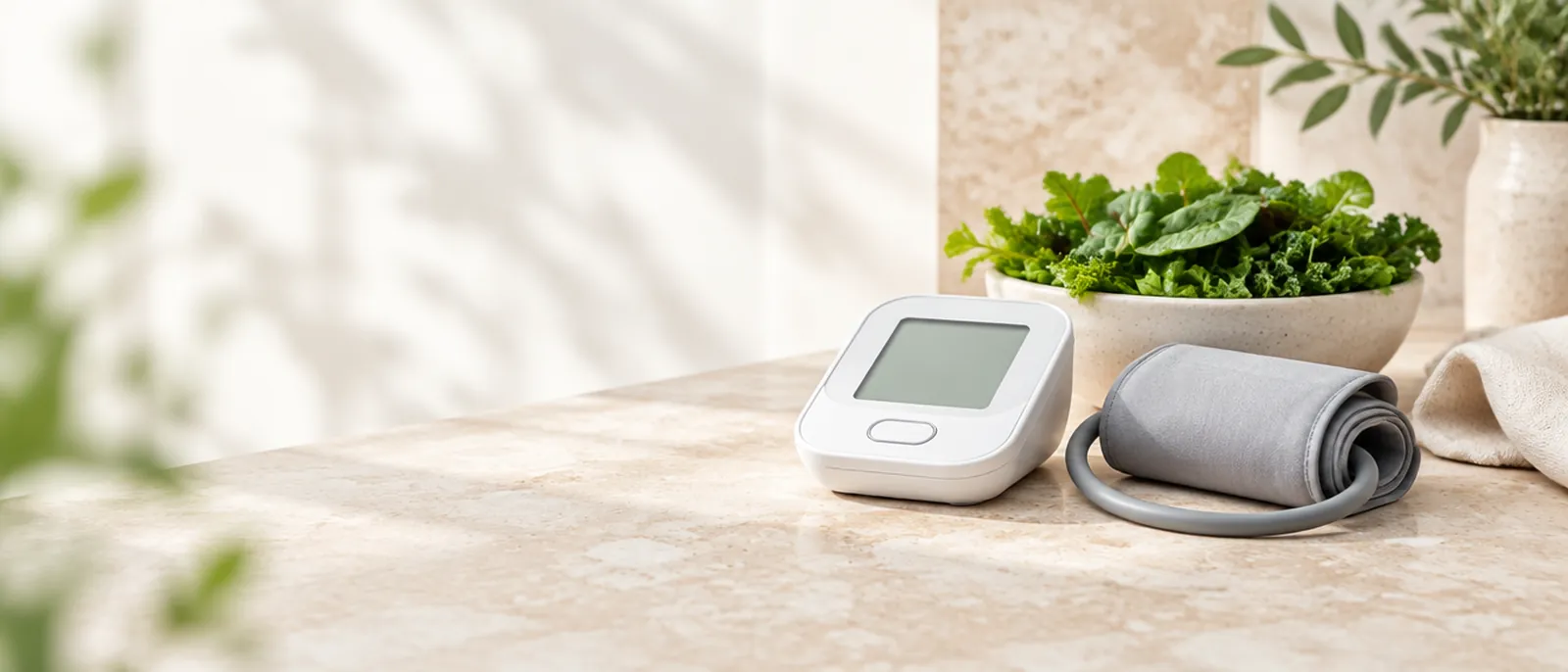
Quick Intro
VEI Clinic Apgujeong is an English-friendly internal-medicine clinic in Gangnam providing practical, evidence-based care for high blood pressure (hypertension)—from home-BP setup and targeted labs to medication plans and follow-up.
What We Do
Assess & Confirm
- Accurate diagnosis: office readings with proper technique; confirm with home blood pressure monitoring (HBPM) or ambulatory monitoring when needed (white-coat vs. masked hypertension)
- Baseline risks: kidney/liver function, electrolytes, urine albumin/creatinine, lipids (± ApoB), A1c, thyroid screen when indicated
- Secondary-cause screen (when appropriate): kidney disease, primary aldosteronism, thyroid/parathyroid issues, sleep apnea, medication contributors (NSAIDs, decongestants, stimulants, some herbal products)
Treat & Monitor
- Lifestyle first-line: salt awareness in Korean cuisine, DASH-style pattern, movement & sleep plan, alcohol limits
- Medications (when indicated): ACE inhibitor/ARB, thiazide-like diuretic (e.g., chlorthalidone/indapamide), calcium channel blocker; add-ons for resistant cases (e.g., spironolactone) or beta-blockers for specific heart indications
- Lab safety checks: creatinine & potassium after ACE/ARB/diuretic changes
- Follow-up cadence: typically 4–6 weeks after a change until stable, then 3–6 months
Coordinate Care
- Sleep study referral when apnea is suspected
- Cardiology/nephrology collaboration for complex cases
- Vaccinations: flu/COVID; pneumococcal by age/risk
Home BP Protocol
- Use a validated upper-arm automatic cuff that fits your arm.
- No caffeine/exercise/smoking for 30 min beforehand; empty bladder.
- Sit 5 minutes quietly: back supported, feet flat, arm supported at heart level.
- Take two readings, 1 minute apart, morning and evening for 7 days.
- Discard day 1, average the rest; bring the log (or device) to your visit.
When We Start or Adjust Medication
- Sustained home averages ≥135/85 (or clinic ≥140/90), or lower thresholds if you have diabetes, kidney disease, or high cardiovascular risk.
- Marked elevations or end-organ findings (e.g., kidney injury, LVH) prompt earlier treatment.
- We avoid ACE inhibitors/ARBs in pregnancy and tailor plans to your history.
Lifestyle That Actually Helps
- Sodium: aim for <2 g sodium/day (~5 g salt). In Korea, watch soups/stews (guk, jjigae), noodles/ramen, kimchi & pickles, gochujang/doenjang/soy sauce. Ask for less broth/sauce and taste before adding salt.
- DASH-style eating: more vegetables, fruit, legumes, fish, minimally processed grains; adequate potassium (if kidneys are healthy and you’re not on potassium-sparing meds).
- Activity: build to 150+ min/week of moderate cardio (add zone-2 sessions) + 2+ days/week of strength training; increase daily steps.
- Alcohol: limit—roughly ≤1 drink/day (most people benefit from less).
- Weight & sleep: even 5–10% weight loss or treating sleep apnea can meaningfully lower BP.
- Medicine check: minimize routine NSAIDs and decongestants; review supplements (e.g., licorice raises BP).
Safety: When to Seek Urgent or Emergency Care
- Recheck after 5 minutes of rest if a reading seems extreme.
- ≥180/120 with symptoms (chest pain, shortness of breath, severe headache/vision change, confusion, stroke signs) → ER immediately.
- ≥180/120 without symptoms → same-day medical evaluation.
- Pregnancy/postpartum: BP ≥160/110, headache/visual changes, or upper-right abdominal pain → urgent evaluation.
Visit Flow
- Baseline consult (30–45 min) → history, exam, medication/supplement review, device coaching
- Same-day labs → kidney/electrolytes, urine albumin/creatinine, lipids (± ApoB), A1c as needed
- Plan (written in English) → home-BP targets, lifestyle steps, medication changes, safety monitoring
- Follow-up at 4–6 weeks → review log, labs, adjust; then 3–6 months once stable
What to Bring
- Medication & supplement list (exact doses)
- Home BP device or app/monitor logs
- Recent labs or reports (if any), and your typical weekly diet/activity snapshot
Pricing & Transparency
You’ll get a clear quote before testing or treatment. Pricing varies by consult length, labs, and any procedures/referrals. Itemized English receipts are available for personal or corporate reimbursement.
Questions
Do I need meds forever?
Not always. Many patients reduce pills with sustained lifestyle changes, but we decide together based on your numbers and risks.
Morning or bedtime dosing?
Often morning is simplest. In select cases we consider evening dosing—your plan will specify timing.
How soon will numbers improve?
Lifestyle changes can shift BP in weeks; medication effects are often seen in days to weeks. We recheck 4–6 weeks after changes.
Which home cuff should I buy?
Choose a validated, upper-arm automatic cuff that fits your arm size. Bring it to your visit—we’ll check technique.
Can I still drink coffee?
Often yes—moderation and consistent timing help. Avoid caffeine for 30 minutes before measuring BP.
Related in Internal Medicine
 High Cholesterol ClinicEnglish-friendly evaluation and treatment for high cholesterol (dyslipidemia) with clear plans you can actually follow.
 Metabolic Health ProgramEnglish-friendly Metabolic Health Program focused on practical, measurable improvements in weight, blood sugar, lipids, blood pressure, and liver health.
 Thyroid UltrasoundEnglish-friendly thyroid evaluation with fast coordination for thyroid ultrasound near Apgujeong Station (Line 3), Exit 5. We handle the clinical exam and labs, arrange a same-day or…
Plan your visit
3F, Beneheim City, 162 Apgujeong-ro, Gangnam-gu, Seoul. About a one-minute walk from Exit 5 of Apgujeong Station (Line 3).
- Mon · Thu · Fri
- 10:00 – 19:00
- Tuesday
- 10:00 – 20:00
- Saturday
- 10:00 – 16:00
- Lunch break
- 13:00 – 14:00, except Saturday
- Wed · Sun
- Closed
Bring your passport or ID, a list of medicines and allergies, and any recent results. For chest pain, severe breathing difficulty or signs of stroke, call 119 or go to the nearest emergency department.