
“Adrenal Fatigue” Testing
Diagnostics · VEI Clinic, Gangnam, Seoul

Quick Intro
Searching for answers about “adrenal fatigue”? At VEI Clinic Apgujeong, we offer an evidence-based adrenal function evaluation for travelers and Seoul residents with symptoms like low energy, brain fog, poor stress tolerance, and non-restorative sleep.
What We Actually Test (Doctor-Guided)
We tailor your workup to your symptoms, medication use, and any red flags:
- Morning serum cortisol (8–9 AM) ± ACTH
- Screens for primary/secondary adrenal insufficiency in the right context.
- ACTH stimulation test (cosyntropin), if indicated
- Confirms/clarifies adrenal insufficiency.
- Overnight dexamethasone suppression or late-night cortisol (if indicated)
- Screens for Cushing’s syndrome when clinical features are present.
- 4-point salivary cortisol (diurnal curve) (select cases)
- Evaluates circadian rhythm/stress patterns; useful adjunct for sleep/shift-work/jet-lag discussions—not a stand-alone diagnosis tool.
- DHEA-S (context-dependent)
- May help interpret adrenal androgen patterns.
- Electrolytes (Na/K), fasting glucose/A1C
- Supportive data for hypo- or hypercortisol states.
- Look-alike checks (chosen case-by-case)
- Thyroid panel, iron studies (ferritin), B12/folate, vitamin D, CRP, sleep risk screening, mental-health screeners, medication review (e.g., steroids, opioids, OCPs, herbals).
When an Adrenal Evaluation Is Useful (Examples)
- Persistent fatigue ± orthostatic lightheadedness, salt cravings, GI upset
- Sleep and stress rhythm complaints (shift work, jet lag, new parents)
- Features suggesting cortisol excess (easy bruising, central weight gain, purple striae, proximal muscle weakness)
- Autoimmune history or chronic steroid exposure
- Post-illness recovery planning where safe activity/lifestyle pacing is needed
Who Might Not Be a Candidate (Today)
- Emergencies: severe dehydration, collapse, high fever with confusion → call 119 or go to the ER
- On systemic steroids (pills/injections) without a weaning plan—tests may be uninterpretable; we’ll advise on timing
- Acute severe illness—defer non-urgent testing until stable
Preparing for Testing (Simple Checklist)
- Morning slot: many cortisol tests require 8–9 AM timing
- Steroids & hormones: tell us about any steroid use (oral, inhaled, topical, injections), DHEA, OCPs, HRT—timing matters
- Biotin: if you take high-dose biotin, you may need to pause it for 48–72 hours (some immunoassays are affected)
- Caffeine/exercise: keep your routine normal; avoid unusually intense workouts just before sampling
- Saliva kits: no food/drink (except water), brushing, flossing, gum, or smoking for 30 minutes before collection
Visit Flow (What to Expect)
- Brief consult → symptoms, sleep/work schedule, meds/supplements, red flags
- Plan → select appropriate tests (blood ± saliva; stimulation/suppression if indicated)
- Collection → on-site blood draw and/or take-home saliva kit with timed vials
- Results review → clear English summary with practical next steps
- Next steps → targeted lifestyle guidance (sleep, pacing, nutrition, stress tools), medication changes, or specialist referral if needed
Turnaround Time
- Standard blood tests: ~1–3 business days
- Salivary cortisol day-curve: 3–7 business days
- Stimulation/suppression testing: timing arranged with you; results typically 1–3 days after the test
What Improvement Can Look Like
- Clarifying (or ruling out) true adrenal disease
- Identifying treatable contributors (thyroid/iron/sleep/meds)
- A realistic plan for energy pacing, sleep anchors, jet-lag protocols, and gradual conditioning—plus follow-up metrics
Pricing & Insurance Notes
- Fees vary by panel complexity and special tests
- Most visitors pay upfront; many insurers reimburse with documentation
- Ask for an itemized English receipt (we can add diagnosis/procedure codes)
Safety Note (What This Page Is Not)
If you have chest pain, severe shortness of breath, heavy bleeding, confusion, stroke symptoms, or very high fever with dehydration, call 119 or go to an ER. Hormone testing is not an emergency service or a substitute for urgent care.
What to Bring
- Medication & supplement list (especially steroids, DHEA, OCPs/HRT)
- Prior labs/imaging, relevant clinic letters
- Payment method (card/cash); insurer details if you’ll file a claim
Related in Diagnostics
 Allergy TestingTesting is selected after clinician review; some services are coordinated with partner allergists.
 Blood TestingAll tests are ordered after clinician review; some requests may be adjusted to meet medical standards.
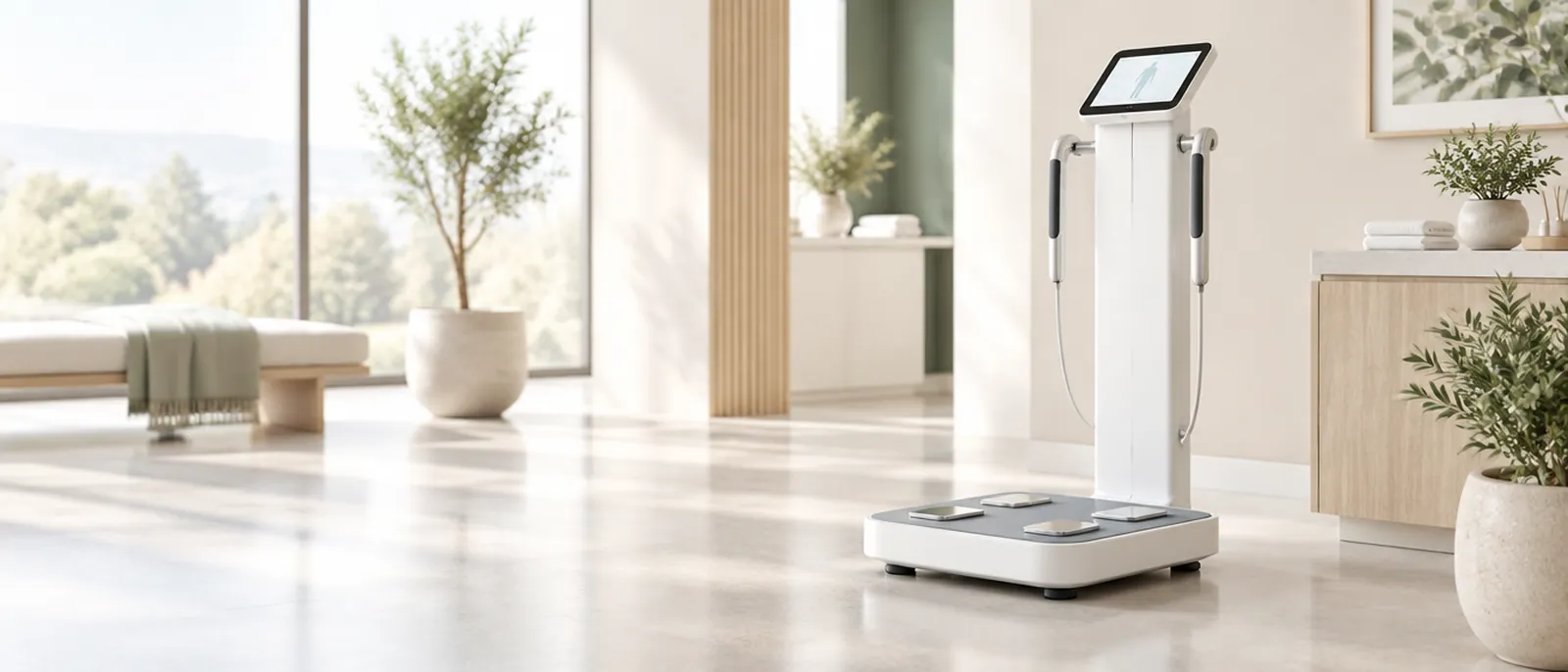 Body Composition TestingEnglish-friendly body composition testing (multi-frequency BIA) for travelers and Seoul residents who want a fast snapshot of muscle, fat, and water balance—plus practical coaching.
Plan your visit
3F, Beneheim City, 162 Apgujeong-ro, Gangnam-gu, Seoul. About a one-minute walk from Exit 5 of Apgujeong Station (Line 3).
- Mon · Thu · Fri
- 10:00 – 19:00
- Tuesday
- 10:00 – 20:00
- Saturday
- 10:00 – 16:00
- Lunch break
- 13:00 – 14:00, except Saturday
- Wed · Sun
- Closed
Bring your passport or ID, a list of medicines and allergies, and any recent results. For chest pain, severe breathing difficulty or signs of stroke, call 119 or go to the nearest emergency department.