
VACUMED
Medical Devices · VEI Clinic, Gangnam, Seoul
Quick Intro
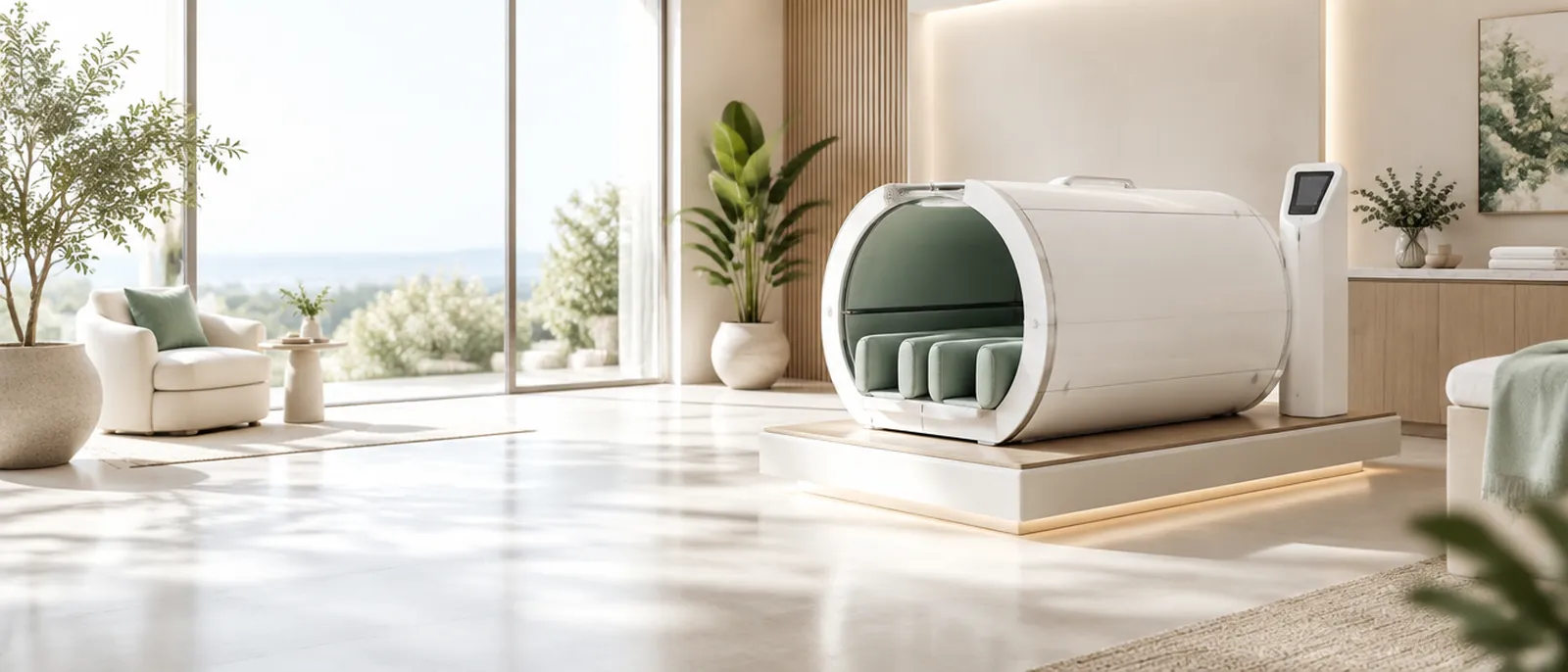
VACUMED® is an intermittent vacuum therapy (IVT) system that applies alternating gentle negative pressure to the lower body to encourage venous and lymphatic return. The concept stems from space-medicine lower-body negative pressure (LBNP) research and is used in sports and rehab settings for recovery support. At VEI Clinic Apgujeong, sessions are physician-screened and tailored to your goals.
What VACUMED (IVT) Does
- Alternating negative pressure around the hips/legs may help shift fluids, support microcirculation, and reduce heaviness/swelling sensations after activity or travel.
- The technology is inspired by LBNP systems developed to condition the cardiovascular system in microgravity; modern clinical devices adapt this principle for ground use.
Who It May Help (Case-by-Case)
- Active professionals & athletes: post-training leg recovery, delayed heaviness, or swelling sensations.
- Frequent flyers & people who stand through long shifts: support for leg comfort after long flights or workdays.
- Rehab & circulation support: adjunct to a broader plan set by your clinician.
Evidence Snapshot (Plain English)
- LBNP and IVT have a physiological rationale and are used in sports/rehab; early and applied studies describe circulation and recovery benefits, but outcomes vary and robust disease-specific evidence is still developing. We position VACUMED as a complement to standard care.
Safety & Who Should Avoid It
Not suitable (or requires specialist clearance) if you have:
- Unstable cardiovascular disease, uncontrolled hypertension, recent DVT/PE, significant varicosities with complications, severe peripheral arterial disease, advanced kidney/heart failure, pregnancy, open wounds on the sealed area, or implanted devices that could be affected by pressure changes.
- Recent surgery or acute injury → we’ll time sessions appropriately.
You’ll complete a medical questionnaire and vitals check before your first session.
Visit Flow (Typically 35–55 Minutes)
- Brief medical screen → goals, history, meds; vitals and leg exam
- Session setup → comfortable reclined position; waist seal fitted
- VACUMED program → automated cycles of negative pressure & ambient phases (usually 20–30 minutes)
- Cool-down & plan → hydration, mobility cues, and when to schedule the next session
Device programs and pressure ranges are preset, indication-specific, and overseen by a clinician.
How to Prepare & Aftercare
- Hydrate, wear soft/stretch pants or shorts, remove sharp accessories at the waist.
- Light snack if you’re prone to dizziness; avoid heavy meals right before.
- After: walk for a few minutes, continue oral hydration, and follow your mobility/strength plan.
Common mild effects: temporary lightness/tightness at the seal, transient leg warmth; occasional lightheadedness if you are underhydrated. Tell us if symptoms persist or you feel unwell.
Pricing & Transparency
Session pricing depends on the duration and program chosen after screening. You’ll receive a clear quote before treatment and an itemized English receipt for reimbursement.
Questions
Is this the same as “vacuum wound therapy”?
No. That’s negative-pressure wound therapy (NPWT) for open wounds—a different technology and indication. VACUMED is a closed-chamber LBNP/IVT system for intact skin.
How many sessions do I need?
It depends on your goals. Many start with 1–2 sessions/week for 3–4 weeks, then space sessions out. We’ll review progress and adjust.
Can I do this if I’m on blood pressure or diabetes meds?
Often yes—with screening. Bring your medication list; we’ll monitor vitals and advise.
Will this help with weight loss or cellulite?
We do not advertise IVT for fat loss. For body-composition goals, see our Medical Weight Loss program; IVT can be an adjunct for comfort/recovery only.
Related in Medical Devices
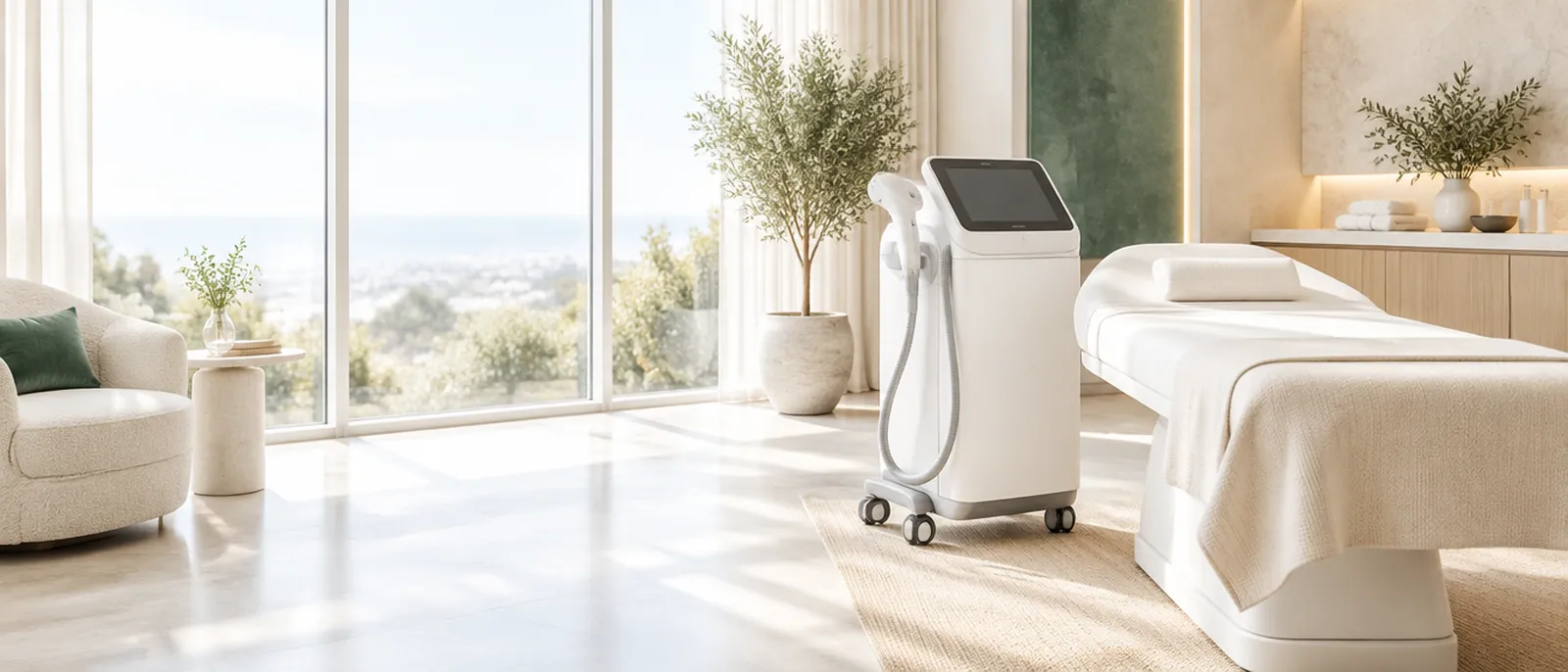 ACCENT PRIMEACCENT PRIME—a non-invasive platform that combines ultrasound (US) and radiofrequency (RF) for body contouring and skin tightening, with clear English guidance and same-day booking near…
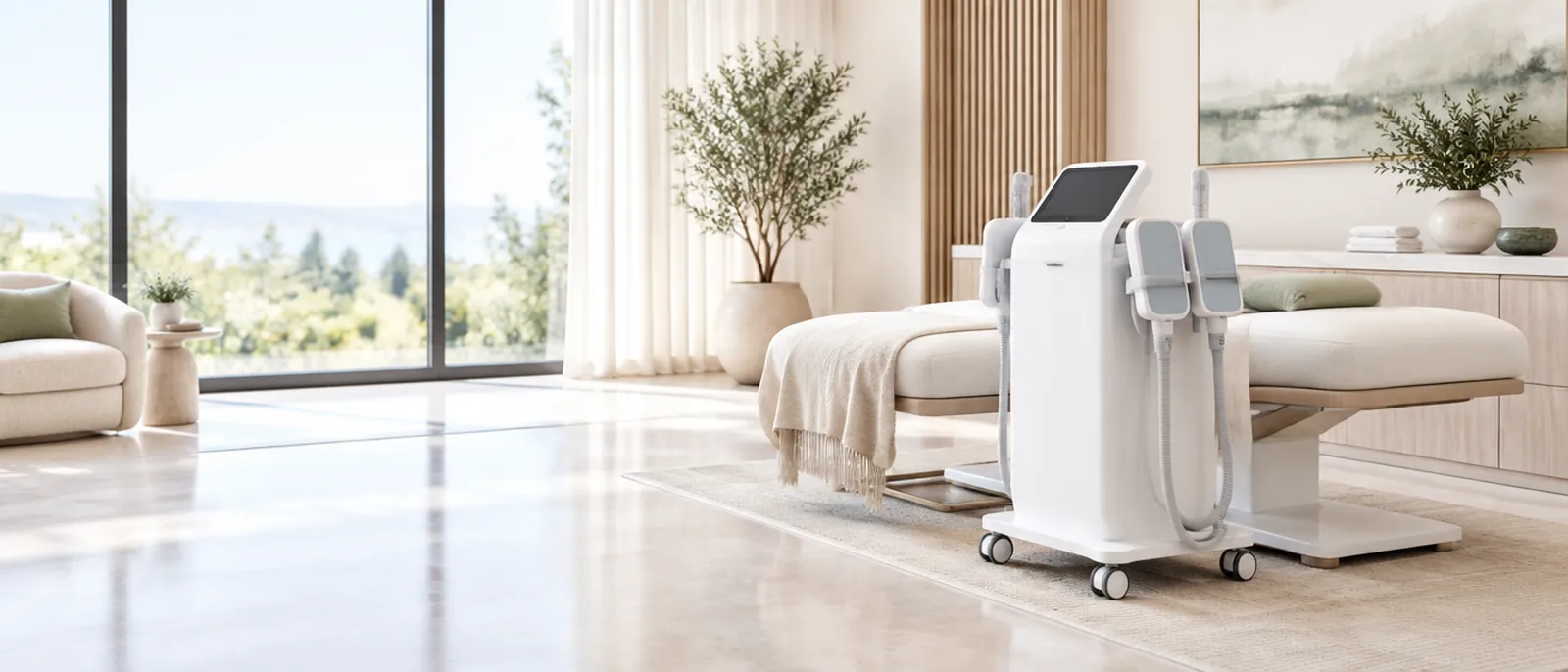 ACCUCURVACCUCURV, a non-invasive treatment that uses electromagnetic stimulation to activate muscles and support core-focused body shaping—ideal for busy travelers and Seoul residents who want…
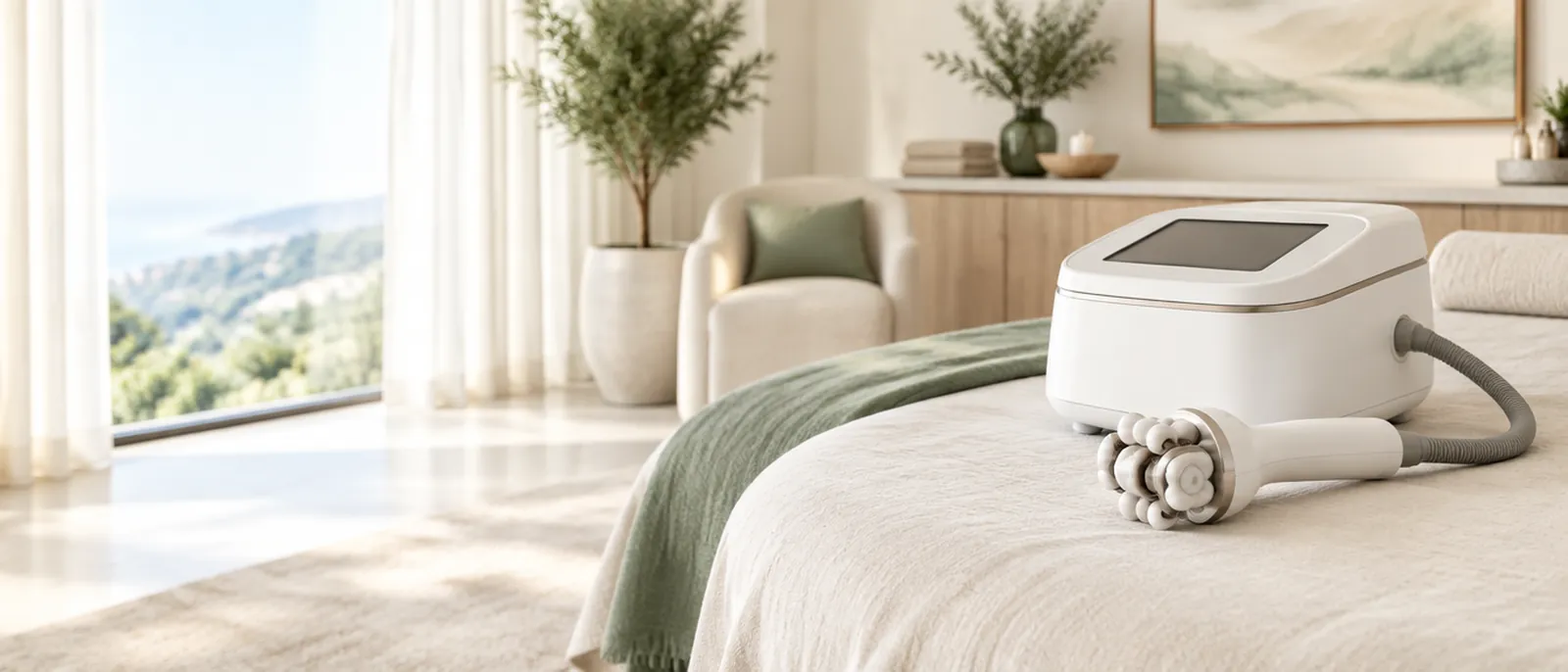 EndermologieEndermologie®—a non-invasive mechanical tissue massage designed to gently mobilize skin and subcutaneous tissues.
Plan your visit
3F, Beneheim City, 162 Apgujeong-ro, Gangnam-gu, Seoul. About a one-minute walk from Exit 5 of Apgujeong Station (Line 3).
- Mon · Thu · Fri
- 10:00 – 19:00
- Tuesday
- 10:00 – 20:00
- Saturday
- 10:00 – 16:00
- Lunch break
- 13:00 – 14:00, except Saturday
- Wed · Sun
- Closed
Bring your passport or ID, a list of medicines and allergies, and any recent results. For chest pain, severe breathing difficulty or signs of stroke, call 119 or go to the nearest emergency department.